The Voice of God & Corked Wine
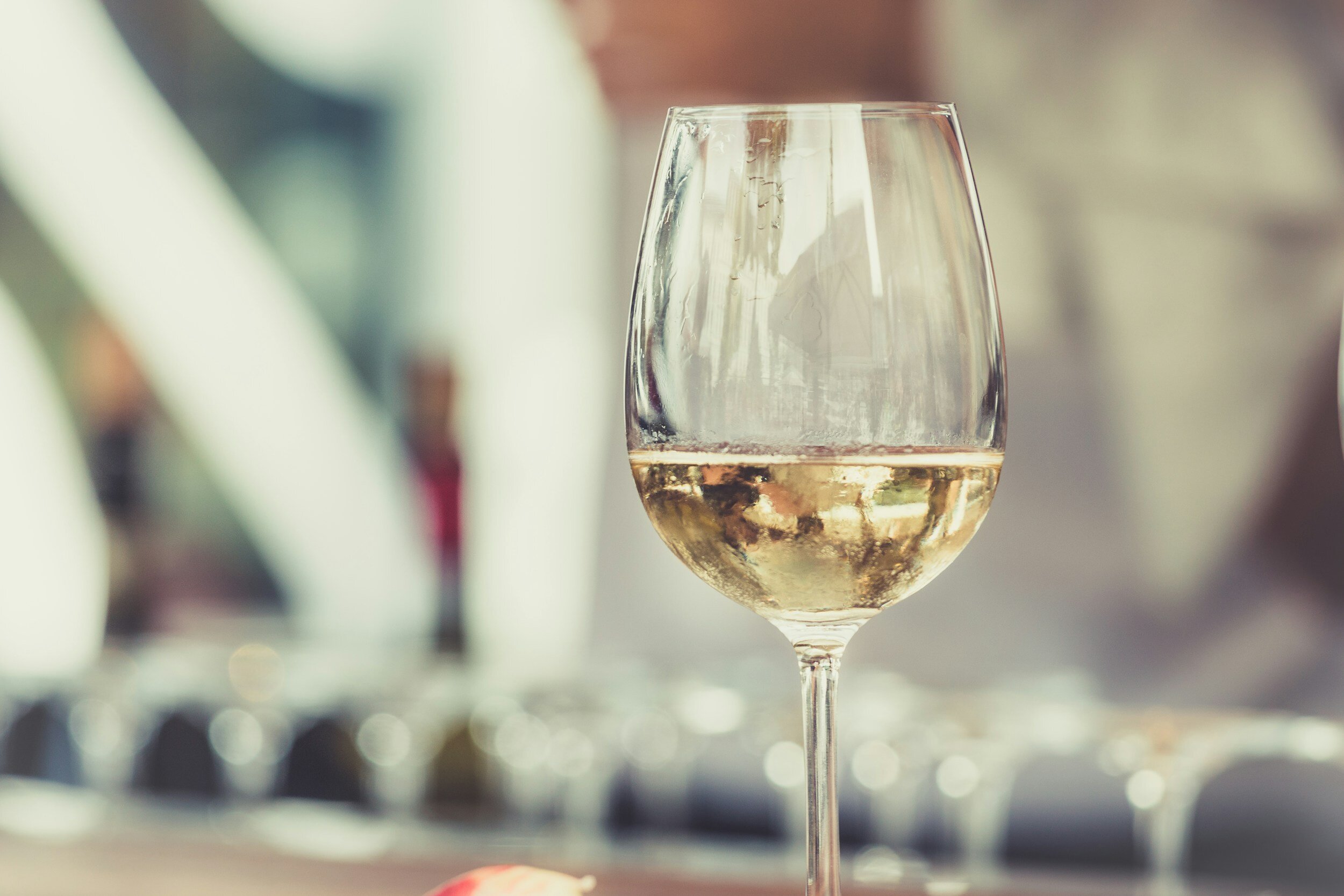
Drink your wine intentionally.
Just like your morning commute, listening to the readings at Mass, or the season of Lent - it’s easy to start something with the best intentions, only to find yourself at the end with nearly no recollection of what happened in the middle.
I noticed this happening with wine - the first sip hits my taste buds, makes a brief impression, but at the end of the glass I couldn’t really tell you anything about what I just drank. Not all wines warrant a lot of thought, and perhaps - that’s the charm of them.
If God is who we say he is, if he is who he claims to be in scripture, then he is always with us, around us, interacting with us, and participating in our lives. Sometimes we get so caught up in our lives and what is happening around us that the only way we would notice or hear him is if we are like Elijah in 1st Kings - standing on a mountain top, listening for God in the violent wind, seeking in the earthquake, looking in the firestorm. But God did not come in those ways, he came in a light silent sound.
The beauty of wine is often in its nuance. I’m blown away when I listen to others taste and articulate subtle, yet specific and precise notes about the wine. I have a similar feeling when I read John Paul II, Nouwen, Balthasar, Groves and others reflect on the faith. Their awareness of God’s presence is inspiring, their ability to communicate their perspective is a gift. They are not perfect, they view God and the world through the same broken humanity as the rest of us, but they challenge us to pay attention to the nuance of the whisper when otherwise only shouting gets heard.
You see many things but do not observe; ears open, but do not hear.
- Isaiah 42:20
Sometimes, you can’t help but notice when God, or wine, demands your attention.
While prepping wines for a large tasting I came across a bottle that was a little “off” on first sniff. Comparing it to the other bottles I had just opened - it was absolutely different. A sip confirmed it - this bottle was corked and I was thrilled! I felt like I had spotted an albino deer.
The percentage of corked bottles is around 1-2 percent of global production, but I seem to encounter it less frequently. The wine was hazy, musky (in a bad way), and almost all fruit flavors were really muted. This Malbec was likely the victim of Trichloroanisole (TCA), a fungal contamination that can occur when cork and chlorine interact.
I had encountered corked bottles twice before, but many times I’d had questionable bottles that - while not “corked" - were certainly funky. The incidence of encountering these wines goes up exponentially when you’re tasting through low intervention/natural wines. More often than not, what may be perceived to be a flaw in the wine was actually Brettanomyces - a yeast that yields variability and funk (think pungent, barn-yard, gamey flavors). Drinkers have varying sensitivity and affinity for “brett” so while it can ultimately ruin a bottle, and introduce profound variation from one bottle to another, it may be exactly what some drinkers are looking for.
I could have taken the bottle back (that’s a thing - return what is left and your wine shop should replace it) or poured it out, but wine deserves to be tasted - even if it’s bad wine. I had 150 people coming to learn about wine and there was certainly a valuable lesson in this bottle. A few slashes across the label with a waiters key to ensure the bottle didn’t get served to a table, and our guests had an opportunity to experience a corked wine.
If you don’t taste the bad, you have little reference for the good. Every sip is an education. God reveals himself to us through goodness, truth, and beauty. Wine is an amazing avenue through which to encounter the beautiful. Pay attention.
Taste and see the Lord is good.
-Psalm 34:9
Cheers & God Bless